Flow Drilling on Stainless Steel and Other Metals

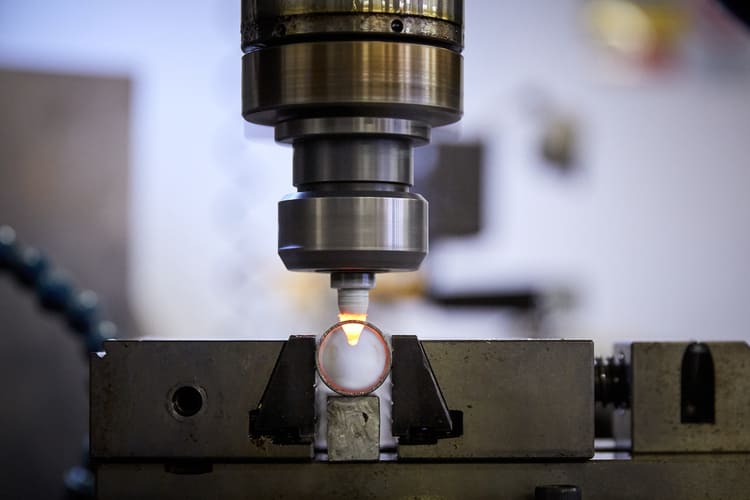
Flow drilling, also known as thermal friction drilling, is a thermo-mechanical deformation technology that enables the creation of deep holes and highly resistant threads on stainless steel, alloy steels, aluminium and other metal alloys.
This innovative process makes it possible to obtain robust threaded seats without the use of inserts, nuts, welding operations or external reinforcements and without chip removal, optimising production time, quality and costs.

Siera has been performing flow drilling for over twenty years, using specialised machinery and a consolidated know-how developed in the professional catering sector, stainless-steel furniture, medical equipment and mechanical industry. We provide customised processing and guarantee high standards even on the most challenging metals, such as AISI 304 and 316 stainless steel.

Flow Drilling: what the process is

Flow drilling is a process that relies on controlled friction between a rotating tool and the metal surface. The generated heat plastifies the material, enabling the tool to penetrate and create:

  • a perfectly calibrated hole
  • an extruded bushing that increases the available threading surface
  • a resistant and uniform structure consistent with the original material

Flow drilling replaces traditional fastening-point techniques, reducing additional components and achieving cleaner and safer results.

The process consists of three phases:

  1. Contact and heat generation
    The carbide tool reaches high temperatures under controlled rotation.
  2. Penetration and plastic deformation
    The metal becomes ductile and the tool forms the hole without chip removal.
  3. Bushing formation
    The material displaced inward creates the ideal extension for a stable thread.

This technique is appreciated for its precision, absence of waste and reduction of cycle times.

Difference between Flow Drilling and Friction Drilling

Although often used interchangeably, a distinction can be made:

  • Flow drilling is the industrial term describing the metal-deformation process through friction.
  • Friction drilling is the term commonly used in Anglo-Saxon markets to identify the same technology.

The substance of the process is identical; what changes is the application context. In customised production, such as Siera’s, the main practical differences concern:

1. Type of material processed

Friction drilling is often associated with softer metals, while the flow-drilling solutions carried out by Siera are optimised also for high-strength stainless steel.

2. Required precision

Siera applies customised parameters based on thickness, thermal conductivity and material hardness, ensuring superior technical control compared to standard machining.

3. Quality of the final bushing

Professional thermal drilling produces a uniform-thickness wall, ideal for threads that must withstand heavy loads, vibrations or frequent assembly.

Advantages of Flow Drilling

Flow drilling offers numerous advantages over traditional hole- and thread-forming methods. For this reason, it is one of the most in-demand technologies in sectors requiring precision, mechanical resistance and clean aesthetics.

1. No welding or additional inserts required

The material is shaped, not removed. The resulting bushing is part of the original metal ensuring structural continuity.

2. Deeper and stronger threads more resistant threading

Compared to threading on thin sheet metal, flow drilling creates a wider bearing surface, reducing the risk of stripping.

3. Zero chips and a safer working environment

The process produces no waste: a key advantage for applications in sanitary, food-processing or high-cleanliness environments.

4. Reduced production times

A single execution cycle forms both hole and bushing, increasing efficiency and lowering costs.

5. Improved aesthetics and precision

The result is a clean hole with controlled tolerances and no burrs.

6. Applicable to various metals

Stainless steel, steel, aluminium, brass and light alloys can all be processed with excellent results.

Fields of Application

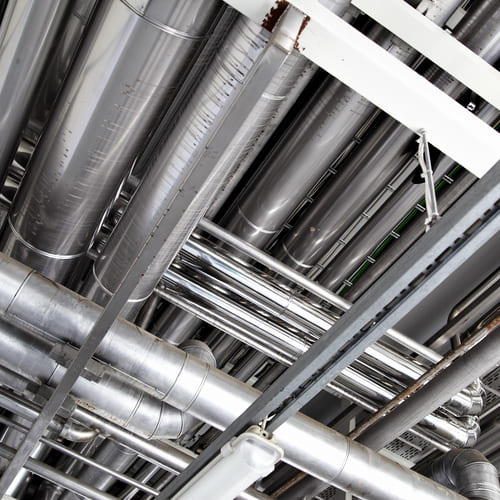
Flow drilling is particularly requested in sectors using tubular structures, thin sheets or metal frameworks requiring long lasting and sturdy fastening points. 

Key applications include:

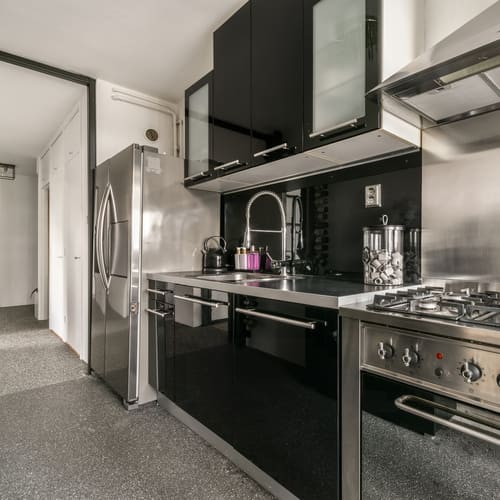
Professional catering and stainless-steel furniture

The precision delivered by professional flow drilling is essential to ensure hygiene, stability and the absence of sharp edges.

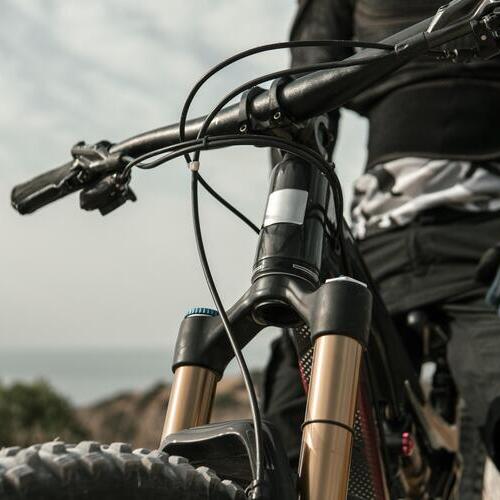
Furniture and industrial design

Flow drilling allows the integration of technical elements without compromising aesthetics.

Medical devices and laboratory equipment

Excellent for repeated connections, modular shelving, trolleys and sterile structures.

Mechanical industry and automation

Used for frames, light carpentry, supports and rapid assemblies.

Custom technical components

Siera manufactures customised components for companies requiring specific processing on small and medium production batches.

Why Choose Siera’s Flow Drilling Service in Treviso

Relying on Siera for flow drilling on stainless steel and metals means choosing a reliable partner, technical expertise and maximum production flexibility. Our strengths include:

Siera’s workshop is structured to manage both small customised orders and recurring production series.

Request a Consultation on Flow Drilling

If you need to create structurally resistant holes, precise threads or customised components through flow drilling on stainless steel or other metals, the Siera team is available to assess your project and propose the most suitable solution.

Lavorazioni - en